Fort Knox and Central Kentucky Area Real Estate and Community News

July 7, 2026

What You Can Negotiate in a Home Purchase (That Most Buyers Don't Realize)

When most people picture negotiating on a home, they picture one number: the list price. You offer somewhere under the asking price, the seller counters, you settle in the middle, and whoever gives up the most ground "loses." For a lot of buyers, that back-and-forth over the sale price is the negotiation.

It's only a fraction of it. The price is the headline. The real negotiation happens in the terms underneath it, and right now those terms are where the money is. Buyers have more room to ask than they've had in years. The market has tilted in their favor, and it's showing up at the closing table: in 2025, 62.2% of buyers paid below the list price, and the typical below-list buyer saved 7.9% — about $31,592 — the biggest discount in over a decade.¹

So here's what actually separates the buyers who come out ahead. It isn't the ones who push hardest on the price. It's the ones who understand everything that's on the table, and know which things are worth asking for.

The Price-Only Trap

It's easy to assume a seller cares about one thing: the highest possible number. In practice, most care about more than that. They care about certainty, meaning whether the deal will actually close. They care about timing. They care about whether your financing will hold together or fall apart three weeks in.

That matters for you, because it means you have more to work with than a single figure. A buyer who treats the offer as a package — price, terms, timing, and risk all together — can often create a better outcome than a buyer who just hammers on price and calls it a day. That's why a clean, well-structured offer can beat a higher one: to the right seller, the certainty is worth more than the extra dollars.

So before you anchor on a number, widen the lens. Here's what else is on the table.

The Money Levers Beyond the Price

Some of the most valuable things you can ask for never touch the sale price at all. They change what you actually pay out of pocket.

Start with a seller concession. This is money the seller agrees to credit you at closing, most often to cover part of your closing costs, which typically run 2% to 5% of the purchase price.² Rather than cutting the sale price, the seller puts cash toward those costs, lowering what you need to bring on closing day. It's worth asking for any time your upfront cash is the tightest constraint, which for a lot of buyers it is. And it's far from a long shot right now: about 44% of sellers recently gave buyers a concession of some kind, close to the highest share on record.³

A rate buydown is one of the least understood levers, and one of the most valuable. When you buy down the rate, someone pays the lender an upfront sum in exchange for a lower mortgage interest rate. In a negotiation, you ask the seller to be the one who pays it. A buydown can be permanent, lowering your rate for the life of the loan, or temporary. A common version, the "2-1 buydown," cuts two percentage points off your rate the first year and one point the second, then settles at the full rate. Builders have leaned on this hard: 64% were offering incentives like buydowns and closing-cost help earlier this year.⁴

It's worth understanding why this can beat a price cut outright. Take $10,000 off the sale price and your monthly payment barely moves, maybe a few dollars on a 30-year loan. Put that same $10,000 toward buying down your rate, and you feel it in every payment for as long as you own the home. It's the same money out of the seller's pocket, but a far bigger result in yours.

The Inspection Is Your Second Negotiation

Most buyers treat the home inspection as a hurdle to clear: pass it, and you move on. It's better understood as a second negotiation, and the leverage is usually built in, because an inspection on almost any home turns up something worth addressing.

When it does, you generally have two options. You can ask the seller to make the repairs before closing, or ask for a credit instead so you can handle the work yourself afterward. The credit is often the cleaner win. You control the contractor, the timeline, and the quality of the work, instead of depending on a seller's rushed, last-minute fix.

A few rules of thumb. Focus on what genuinely matters, meaning health, safety, and the big-ticket systems like the roof, HVAC, or foundation, rather than nickel-and-diming every cosmetic flaw. Consider asking for a home warranty to cover the things that tend to break after you move in. And treat the report as a planning tool, not just a bargaining chip. A fifteen-year-old water heater isn't a reason to walk away. It's a heads-up that helps you budget.

Terms and Timeline: The Wins That Aren't About Money

One of the most powerful levers costs you nothing: flexibility. To a seller, time is often worth as much as dollars.

Say the sellers need a few extra weeks in the home because their next place isn't ready. Offering a rent-back, which lets them stay on for a short period after closing, can make your offer the one they choose even over a higher bid. Or maybe they need to close fast, and you're in a position to deliver. The closing date, the possession date, the length of your contingency periods, even how your earnest money is structured: all of it is something you can shape.

The strategic move is simple. Give the seller the timeline they need, and you'll often get the terms you want in return.

What Actually Comes With the House

This is the simplest ask of all, and the one buyers most often forget to make: what physically stays with the house.

Appliances, window treatments, the mounted TVs, the washer and dryer, sometimes even furniture or the patio set you admired during the showing. A lot of it is negotiable. The law draws a line between fixtures, which are generally included, and personal property, which generally isn't, and that line is exactly where a quick ask can pay off.

One rule matters above the rest: get every extra written into the contract. A friendly "sure, we'll leave the fridge" during a showing means nothing if it isn't on paper. And if there's something you want, ask for it. The worst answer you'll get is no.

How to Actually Use the Whole Menu

Knowing what's negotiable is the easy part. Using it well is what turns a list of asks into a better deal.

The buyers who succeed don't fire off every possible demand at once. They lead with what the seller values most, group their requests thoughtfully, and avoid the death-by-a-thousand-cuts approach that makes a seller dig in. Above all, they read the seller's real motivation, and that's where a skilled agent earns their keep. It's no accident that 88% of buyers work with an agent, and that the help they value most is negotiating the terms of the deal.⁵

A calm, well-prepared buyer with a clear strategy almost always does better than an aggressive one throwing elbows. The goal isn't to beat the seller. It's to structure a deal that works for both sides, and to make sure you're not leaving value on the table you never knew was there.

If you're getting ready to buy, this is exactly the kind of thing worth talking through before you write an offer. I'm glad to walk through everything you could be asking for in your particular situation. No pressure, just a clear picture so you can make a confident decision.

Sources

1. Redfin — Homebuyers Are Scoring the Biggest Discounts in 13 Years

2. Redfin — What Are Closing Costs and How Much Will You Pay?

3. Redfin — 44% of Home Sellers Are Giving Concessions to Buyers

4. NAHB / WTOP — Builder Incentives and Rate Buydowns

5. NAR — 2025 Profile of Home Buyers and Sellers

Posted in Market Updates
May 5, 2026

2026 Home Design Trends: What's In, What's Out, and What Buyers Are Responding To


After a decade of cool grays, crisp whites, and spaces that looked more like showrooms than homes, buyers have changed what they're looking for. Call it quiet luxury — the idea that richness comes from depth, craft, and intention rather than flash and excess. It's not maximalism. It's a shift toward spaces that feel like somewhere you'd actually want to live.

That shift is showing up in buyer data, listing descriptions, and design reports across the board. Here's what it looks like in practice — and what it means if you're thinking about selling your home.

What's In

Color Is Back — And It's Warmer Than You Think


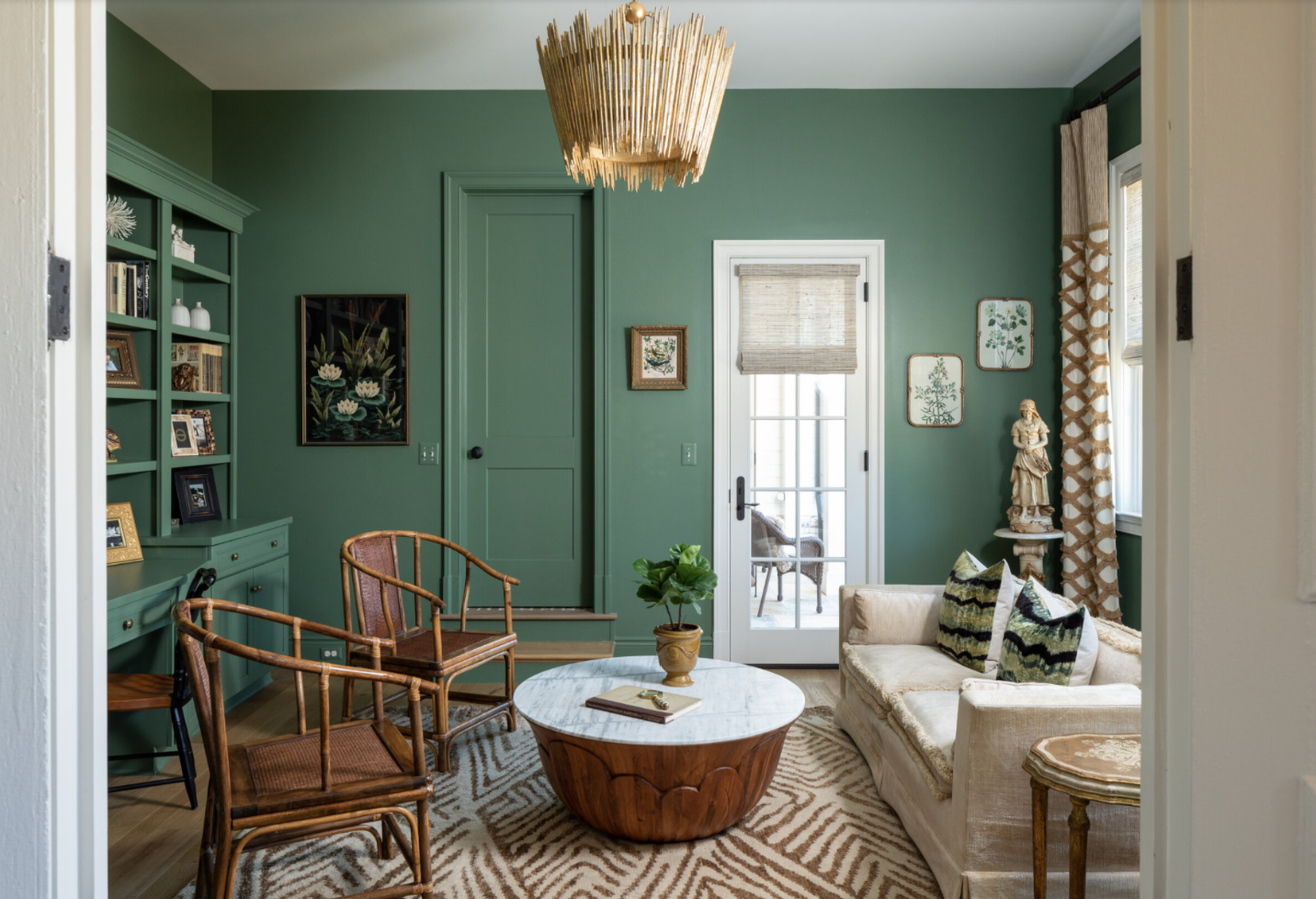
The all-gray interior isn't just tired. Buyers have moved on. The biggest shift in Zillow listing descriptions over the last year has been a surge in "color drenching" — coating walls, ceilings, and trim in a single immersive hue — up 149% year over year.1 The direction is consistent across paint brands and design reports: warm beiges, caramels, terra cotta, sage green, and soft navy. A mix of '70s sunbaked tones and calming naturals.3

The psychology behind it makes sense. Buyers are increasingly seeking homes that feel like a sanctuary, not a showroom, and warm cohesive color is one of the fastest ways to create that. If you're thinking about selling your home, this has a practical implication: a single well-chosen paint refresh can dramatically change how a space photographs and how it feels at first walk-through.

The Art Deco Revival: Details That Stop the Scroll

Buyers are actively looking for character — and that's showing up clearly in what design platforms are tracking. Houzz flagged the Art Deco revival as one of the defining trends of 2026, with searches for Art Deco interiors up 22% year over year.2 Think chevron patterns, brass accents, jewel tones, curves, arches, and scalloped edges that soften spaces and add visual depth. Listing mentions of "artisan craftsmanship" are up 21% and "vintage accents" up 17%.1

The good news is this doesn't require a gut renovation. Arched doorways, a curved kitchen island, rounded furniture silhouettes, and detailed millwork can all deliver that effect. It's about adding one or two moments of character — not redoing everything.


Photo Credit: Elizabeth Frost Designs
https://pro.houzz.com/pro-learn/blog/sneak-peek-houzz-reveals-11-of-the-top-home-design-predictions-for-2026

Surfaces and Materials That Make a Statement

Photo Credit: Verner Architects; LMB Interiors (Designer); Eric Rorer (Photographer)


Countertops and backsplashes are no longer meant to blend in. Natural stone — quartzite, marble, and travertine with soft sweeping veining — is being used as a focal point rather than a background. Full-height backsplashes and dramatic stone applications create depth and warmth that photographs beautifully.2 Organic texture is showing up everywhere alongside it: plaster and limewash walls, sculpted surfaces, three-dimensional materials that shift with changing light.

Layered metals — brushed brass paired with matte black and nickel — signal a more evolved, curated take on the mixed-metals trend that's been building for a few years. The goal is intentional, not matched. Each finish feels chosen.

The Kitchen Is Getting Personal

Credit: Leigh Ann Rowe; Builder: OC Builders Group; Designer: Studio Willow

https://pro.houzz.com/pro-learn/blog/2026-houzz-kitchen-trends-article


Design professionals are nearly unanimous that the all-white kitchen has run its course.7,10 What's replacing it isn't one look — it's the absence of a default. Warm neutrals, earth tones, and wood-grain cabinetry are taking over from painted finishes, and the transitional style has settled in as the most popular direction, with the farmhouse kitchen continuing to lose ground it's unlikely to recover.5

The bigger shift underneath all of it is personalization. Buyers want to see a kitchen that feels considered — not one that played it safe. A work-in pantry, an unexpected cabinet color, a stone backsplash that runs floor to ceiling: these are the details that make a kitchen feel like it belongs to someone, which turns out to be exactly what buyers are looking for.

Open Concept Grew Up


Open floor plans aren't going away — but buyers no longer want an undifferentiated box. Buyer preferences have shifted toward layouts that offer both flow and definition — spaces that feel connected but serve a clear purpose.4 What's rising is the semi-closed floor plan: subtle architectural separation between the kitchen, dining room, and living areas that maintains connection while creating intimacy. The flexibility of how a home's space is organized now matters more to buyers than the raw square footage it contains.12

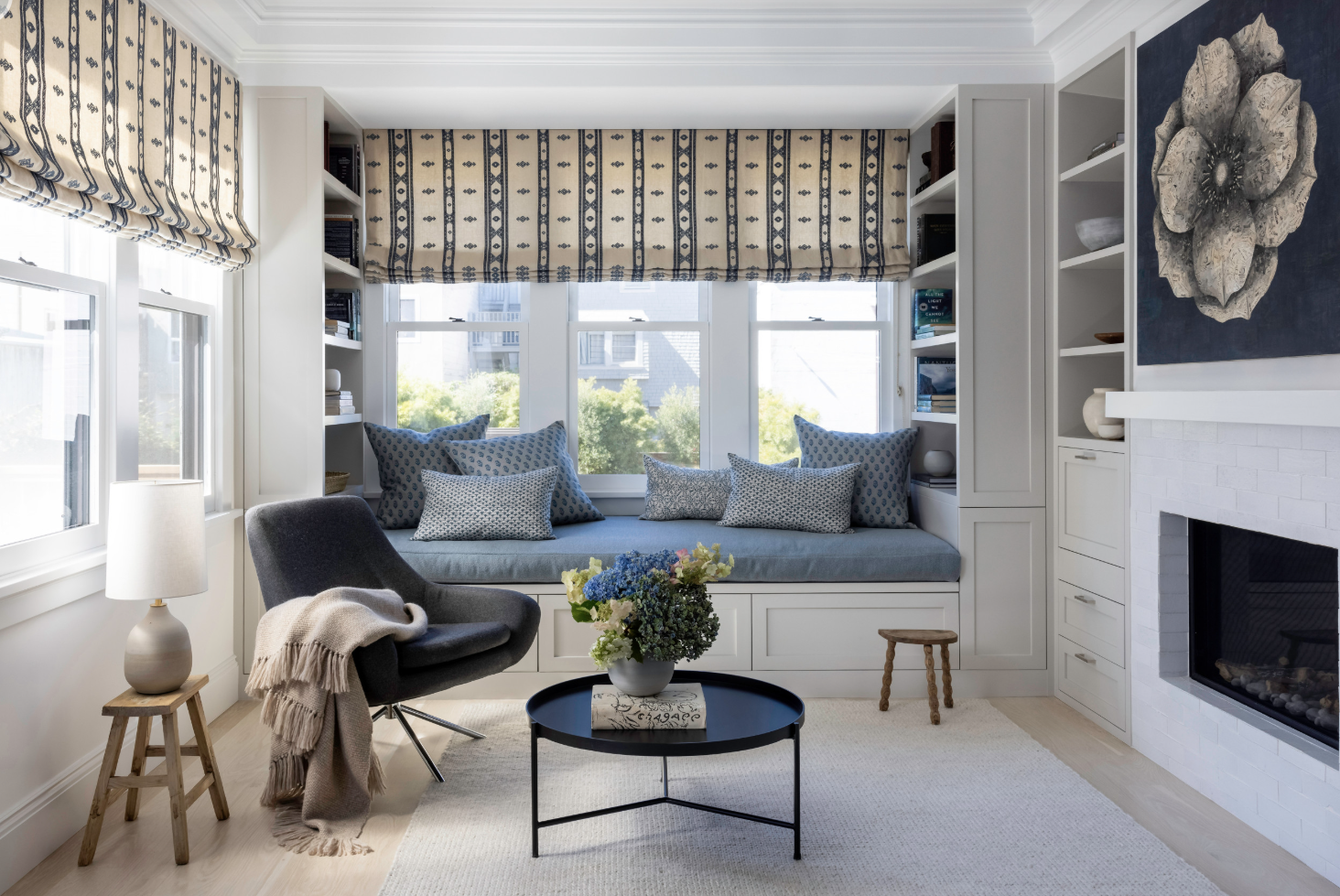
Remote work is a big part of why. When your home is also your office, privacy has real value. Dedicated home offices are consistently one of the most requested features this year, and mentions of "reading nooks" — quiet, defined personal spaces — are up 48% in Zillow listing descriptions.1 If you're thinking about selling and you have a defined dining room, a separate office, or distinct living zones, don't apologize for them. Stage and describe each space as intentional. Buyers are looking for purpose, not just square footage.

Homes That Are Designed to Feel Good

One of the quieter shifts in how buyers evaluate homes is the move toward what designers call wellness design — the idea that a home's layout and materials should actively support how you feel in it, not just how it looks. It's less about a single feature and more about an overall sensibility: does this space help you rest, focus, and decompress, or does it just look good in photos?

That sensibility is showing up in listing language in measurable ways — wellness mentions are up 33% year over year, and spa-inspired bathrooms have climbed 22%.1,8 But the concept has expanded well past the primary bath. Biophilic design — bringing in natural light, organic materials, living plants, and visual connections to the outdoors — has become a core consideration because it addresses the same underlying need: buyers want to feel better in their homes.9 So does circadian lighting that shifts with the time of day, and dedicated spaces designed specifically for quiet — a reading corner, a window seat, a nook that actually gets used.

These aren't luxury add-ons anymore. They're showing up in mainstream listings because people are prioritizing how their home makes them feel on a Tuesday afternoon, not just how it presents at a party.

Resilient and Efficient Homes: The Practical Side of 2026 Design

Climate reality is showing up in listing data in a way that's hard to ignore. Features like flood protection, fire-resistant landscaping, and whole-home battery systems are all climbing fast — and 86% of buyers now say it's very important that a home be "climate-proof."1 Zero-energy-ready homes have surged 70% in Zillow listing mentions, with whole-home batteries up 40% and EV charging up 25%.1

Energy efficiency is part of the same conversation. Buyers are evaluating solar readiness, EV chargers, and efficient HVAC systems the same way they evaluate a kitchen renovation — as a financial consideration, not just an environmental one. Utility costs, insurability, and long-term resilience are all factored in. If you're thinking about selling and you have any of these features, make sure they're documented clearly in your listing. Buyers are actively reading for this language, and homes that speak to it stand out.

What's Out

Design trends don't just tell you what to add — they tell you what to address before you list. A few things buyers have clearly moved past:

       All-gray everything. Functional for a decade, now forgettable. Buyer sentiment has shifted clearly away from both cool gray and stark white as default palettes. Sterile, clinical spaces read as dated now, not clean.2,3

       The overdone farmhouse look. The aesthetic isn't dead, but the version heavy on purely decorative elements — shiplap for the sake of shiplap, barn doors on every opening — has peaked. What's replacing it is a warmer, more grounded approach leaning on authentic materials over surface-level styling.

       Themed bonus rooms. "Man cave," dedicated wine rooms, home theaters with no other use — buyers want rooms that flex, not rooms that commit to a single identity. Spaces that can't be repurposed read as liabilities now, not amenities.

       Two-story foyers. They create a striking visual, but the trade-offs have caught up with them. NAHB data shows 32% of buyers are likely to reject a home with a two-story foyer outright, while only 13% consider it a must-have.6 The energy inefficiency, heat imbalance, and lost usable square footage are no longer worth the entrance moment.

       Matched-finish everything. Coordinating every fixture, cabinet pull, and faucet to a single metal finish now reads as a 2015 renovation. The shift is toward intentionally layered metals — brushed brass, matte black, and nickel — that feel collected over time rather than sourced from the same catalog page.

       Open shelving as a kitchen default. What looked fresh a few years ago now reads as high-maintenance and visually noisy to a lot of buyers. The enthusiasm for it has cooled significantly, and the backlash is real enough that agents are recommending sellers address it before listing.11

       Safe "greige" tile that disappears into the background. Surfaces are meant to make a statement now, not blend in. Full-height backsplashes, dramatic stone, and layered finishes have replaced the disappearing neutral as the standard expectation in well-presented kitchens and baths.

       Maximalism for resale. Rich, layered, highly personal spaces can be genuinely beautiful to live in — but they're difficult to sell. Buyers need to be able to see themselves in a space. Heavy personalization, bold collections, and visually dense rooms make that harder, which tends to show up in longer days on market and more negotiated offers.

What Changes and What You Leave Alone

Not every item on this list requires a contractor. A $500–$2,000 refresh can meaningfully shift how a home is perceived: paint in a warm current tone, swapping out dated light fixtures, updating hardware from chrome to brushed brass or matte black, adding a limewash accent wall in a key space. These are cosmetic moves — but they change how a home feels, and that feeling is what drives buyer interest from the very first look.

That first look is doing more work than most sellers realize. Warm, textured, layered spaces photograph better than stark white minimalist ones — and since most buyers have already formed a strong impression before they ever step inside, the visual presentation of your home directly affects how fast it moves and what kind of offers it generates.

Buyers are deciding in seconds. The goal is to design for the feeling they get at first scroll — not the trend you were following three years ago.

If you're thinking about preparing your home to sell and want to know which updates are worth making in your specific price range and neighborhood, reach out. That's exactly the kind of conversation that can make a real difference in your results.

Sources

1. Zillow – Spotted on Zillow: Six Home Trends To Follow in 2026

2. Houzz – Sneak Peek: Houzz Reveals 11 of the Top Home Design Predictions for 2026

3. Axios – 2026 home design trends: Zillow and others reveal picks

4. RoylinSells – Are Open Floor Plans Still Popular in Today's Housing Market?

5. Houzz – 2025 U.S. Houzz Kitchen Trends Study

6. NAHB – Two-Story Foyer Trend Stabilizes in 2024

7. Fixr – Kitchen Design Trends Report 2026

8. Fixr – Bathroom Design Trends Report 2026

9. Tami Faulkner Design – Top Custom Home Design Trend 2026

10. NKBA – 2026 Design Trends Report

11. GoBankingRates – 6 Key Design Trends That Are Make-or-Break for Homebuyers in 2026

12. BHGRE – 2026 Design Trends Moving Real Estate

Posted in Market Updates
April 10, 2026

Is Buying a Home Together Right for Your Family?


Is Buying a Home Together Right for Your Family? Here's How to Think It Through

For a long time, multigenerational living had a reputation problem. It was the option families turned to when something had gone wrong — a job loss, a divorce, a health crisis. Moving back in with your parents, or having your parents move in with you, meant something hadn't worked out.


That story has changed pretty significantly.


Today, families are choosing this arrangement on purpose — not as a fallback, but as a deliberate decision to share costs, stay connected, and build something that actually works for how their lives are structured right now. According to NAR, 14% of buyers recently purchased a multigenerational home, and the year before that hit 17%. [1] These aren't people making the best of a bad situation. They're rethinking what "home" needs to do.


If this is something you're considering — or something a family member has brought up — here's what's worth knowing before you start the search.


Why More Families Are Going This Route


The honest answer is: it's rarely just one thing.


For most families, cost is somewhere in the mix. Buying together means more income earners on the loan, more people splitting the mortgage, and a monthly payment that's easier to justify. But if you talk to families who've actually done it, the financial piece rarely tells the whole story.


Caregiving comes up constantly. Nearly half of multigenerational buyers in NAR's research cited caring for or wanting to be near aging parents as a primary reason for the purchase. [1][4] For older millennials in particular, aging-parent health and caretaking responsibilities were a major driver. That's not a trend that's going away — there are now more than 70 million Americans age 65 or older, and the question of how families want to handle that isn't one most people want to outsource entirely. [2]


Remote work has also quietly changed the math. When you're not tethered to an office, living near family becomes less of a sacrifice. You can be close without it costing you professionally, which is a relatively new dynamic. [3]


And then there's the harder-to-quantify stuff — the daily support, the shared routines, the sense that you're not navigating things alone. For families with young kids, having grandparents nearby can be transformative. For families with aging parents, so can having adult children close.


The point is: if you find yourself drawn to this idea, you're in good company, and your reasons are probably more layered than just the numbers.


What to Actually Look for in a Property


This is where a lot of families get tripped up. They find a house they love, start imagining how it could work, and convince themselves the layout is more flexible than it really is. Then six months into living together, they realize what they actually needed was a separate entrance, not just a second bathroom.


The properties that work best for multigenerational living tend to share a few things in common.


They take privacy seriously. Not just in theory, but in the layout. Dual primary suites, separate entrances, a finished basement with its own sitting area, or a detached guest house — these aren't luxury features, they're what make the arrangement actually sustainable. If each household can't fully decompress, host their own guests, and keep their own rhythm, the togetherness part gets old fast. Home design professionals increasingly flag this as the most important feature to get right, and it's easy to see why. [5][6]


They're built — or can be converted — for flexibility. ADUs (accessory dwelling units) have become a serious part of this conversation as more cities loosen zoning restrictions. A detached ADU gives you the ultimate setup: close enough to matter, separate enough to breathe. If an ADU isn't already in place, it's worth asking whether the lot and local zoning would allow for one down the road. [5][6]


They work for the long game. Think about where everyone in the arrangement will be in ten or fifteen years. First-floor suites, wider hallways, zero-step entries, and rooms that can adapt as needs change aren't just nice to have — they're what make a multigenerational home function well over time rather than just right now. [6][7]


The short version: the best multigenerational properties support both togetherness and independence. If a home checks one but not the other, keep looking.


The Conversations Most Families Skip


Here's the part that tends to get glossed over, because the emotional pull of the idea is strong and the practical details feel like they can wait. They can't.


Start with the financial structure early. If multiple people will be on the loan, everyone needs to understand what that actually means. Co-borrowers can combine income and assets to qualify for more — but they also share legal responsibility for the debt and share in whatever equity the home builds. That's meaningfully different from being a co-signer, who carries the liability but doesn't own a piece of the property. Knowing which structure makes sense for your family is a conversation to have with a lender before you fall in love with a house. [8]


Define ownership clearly. There are several ways to structure who owns what — joint tenancy, tenancy in common, shared-equity arrangements — and each one affects what happens if someone wants to sell, refinance, or passes away. Equal contributions don't automatically mean equal ownership makes sense, and unequal contributions don't mean anyone is getting a bad deal. But these things need to be spelled out explicitly, not assumed. [8]


Get it in writing. A verbal agreement between family members feels fine when everyone is on the same page. It gets complicated when circumstances change — and circumstances always change eventually. A written agreement that covers shared expenses, maintenance responsibilities, common areas, and how exits would be handled gives everyone protection and, honestly, usually makes the conversations easier because you've already had them. [9]


Talk through the "what-ifs" before closing. Job relocations, caregiving shifts, a marriage, someone wanting to sell — these aren't worst-case scenarios, they're just life. The way a home is titled can affect everything from Medicaid eligibility to how inheritance plays out. It's worth a conversation with an estate planning attorney or real estate attorney before you close, not after. [9]


This stuff isn't fun to work through. But families who do it upfront tend to have far smoother experiences than those who assume it'll all work itself out.


Is This Actually the Right Move?


That depends on a few honest questions.


Is everyone genuinely choosing this, or is someone going along with it? The families who thrive in multigenerational arrangements almost always went in with shared intent — everyone wanted it, everyone understood what they were agreeing to. That's different from one party tolerating it because the math made sense or because it felt like the easier thing to say yes to.


Are the financial expectations clear and actually fair? Not just the down payment, but ongoing contributions, equity stakes, and what happens if someone needs to exit. These things are much easier to define before the purchase than to renegotiate afterward.


Does everyone have a realistic picture of what shared space feels like day-to-day, long-term? Not on a good weekend when everyone's happy to be together — but on a random Tuesday when someone's had a bad day, the kids are loud, and you just want your house to yourself for an hour.


If the answers to those questions are honest and mostly positive, multigenerational living can be genuinely great. The data backs that up. So do plenty of real families who've made it work.


BOTTOMLINE

Multigenerational living has moved from fallback plan to deliberate strategy for a growing number of families — and it's easy to understand why. The financial upside is real, the caregiving benefits are real, and when it's set up well, the emotional rewards are too.


What makes it work is going in with eyes open: the right property, the right legal structure, and honest conversations before anyone signs anything.


If this is something your family is exploring — or if it's on the horizon and you're not sure where to start — that's exactly the kind of conversation a good agent can help you think through. Getting the strategy right early makes everything that follows a lot smoother.


Reach out anytime — even if you're just starting to think it through.


Sources


  1. National Association of REALTORS® — Making Extra Room at the Table: Multi-Generational Homes in the United States
    https://www.nar.realtor/blogs/economists-outlook/making-extra-room-at-the-table-multi-generational-homes-in-the-united-states


  1. National Association of REALTORS® — The "Silver Tsunami" in Real Estate Is Here: Are You Ready?
    https://www.nar.realtor/magazine/real-estate-news/the-silver-tsunami-in-real-estate-is-here-are-you-ready


  1. U.S. Census Bureau — New U.S. Census Bureau Data Show Detailed Characteristics of Home-Based Workers
    https://www.census.gov/library/stories/2025/01/work-from-home-inequalities.html


  1. National Association of REALTORS® — One Big Happy Household: How Families and the Data Are Shaping Multigenerational Living
    https://www.nar.realtor/blogs/economists-outlook/one-big-happy-household-how-families-and-the-data-are-shaping-multigenerational-living


  1. Better Homes & Gardens — Multigenerational Living Will Define the Future of Home Design, According to Thumbtack and Redfin
    https://www.bhg.com/thumbtack-redfin-home-design-report-2026-11869197


  1. The House Plan Company — How 2025 Is Redefining Multigenerational Home Design
    https://www.thehouseplancompany.com/blog/how-2025-is-redefining-multigenerational-home-design/


  1. National Association of REALTORS® — All Under One Roof: Trends in Multigenerational Living
    https://www.nar.realtor/magazine/real-estate-news/home-and-design/all-under-one-roof-trends-in-multigenerational-living


  1. The Mortgage Reports — How to Buy a House With Your Parents
    https://themortgagereports.com/77007/buying-a-home-with-parents-or-child


  1. Elder Law Answers — Home Ownership When Parents and Adult Children Live Together
    https://www.elderlawanswers.com/what-are-the-house-ownership-options-when-parents-and-adult-children-live-together-14484
Posted in Market Updates
March 19, 2026

What Actually Makes a Listing Stand Out in 2026


The playbook for selling a home has changed fast. Buyers have more options, more leverage, and they are using it. Active housing inventory rose more than 16% year-over-year in 2025 — one of the largest annual increases since the pandemic-era crunch.¹ At the same time, 62% of homebuyers in 2025 paid below the original list price, the highest share since 2019, with the average discount hitting 7.9%, the biggest in over a decade.²

What does that mean for sellers? It means the days of putting a home on the MLS, snapping a few photos, and waiting for offers are over. Today's buyers are more informed, more cautious, and more willing to walk away. The listings that win are the ones that eliminate friction at every stage — from the first scroll to the final offer.

Here is what that actually looks like.

Know What the 2026 Buyer Is Filtering For

Before we talk strategy, it helps to understand what is driving buyer decisions right now. It is not just about bedrooms and bathrooms anymore. Today's buyer is thinking about what a home will cost them after they buy it.

Layout and Function Over Size

Estate's 2026 Design Trends Report, 86% of buyers say flexible layouts help them see past square footage. Dedicated home offices, walk-in pantries, multipurpose rooms — these features outweigh raw size. Nearly half of buyers in that same study said they will not buy a home that does not feel right the moment they walk in.³

Move-In Ready Is Increasingly Non-Negotiable

Home inspections are the number one reason deals fall apart today.⁴ In mid-2025, 15% of pending sales fell through, above the 12% historical norm, largely because financially stretched buyers will not absorb surprise repair costs.⁴

The tolerance for deferred maintenance has evaporated. Buyers are already stressed about affordability. When a buyer sees deferred maintenance, they do not see "potential." They see risk. In fact, 58% of agents report buyers want closing cost credits, and 20% recommend sellers reduce price based on inspection findings.⁵


Energy Efficiency as a Financial Filter

Energy efficiency is being evaluated as a financial hedge — against utility costs, against climate risk, against future insurability. According to Zillow's 2026 Home Trends Report, terms like "zero-energy ready" and "home battery system" appearing far more frequently.⁶ Sellers who understand this can position features like updated HVAC systems, new windows, or solar panels not as nice-to-haves, but as cost-saving assets.

The bottom line: sellers who understand this mindset can position their listing to meet it head-on.

Win the Screen Before You Win the Showing

The online listing is the first showing. By the time a buyer walks through the front door, they have already decided they are interested — or they have scrolled past.

The First Photo Is Everything

85% of homebuyers consider listing photos the most critical factor when evaluating a property online.⁷ Not the price. Not the description. The photo.

Listings with professional photography receive up to 61% more views and sell 32% faster.⁷ In a market where inventory is rising and buyers are choosier, professional photography is an enormous opportunity for sellers who take presentation seriously.

Go Beyond Standard Photography

Going above and beyond can garner even more attention for your home. Twilight photos used as the primary listing image average 76% more views.⁷ Homes with aerial or drone photos can often sell faster.⁸ Listings with video get 403% more inquiries.⁸

These are not small edges. In a market where buyers have more options, these are the differences that help a listing generate momentum.

3D Tours Are Becoming Expected

Virtual tours do two things at once. They filter out unqualified buyers before they waste anyone's time. And they give serious buyers the confidence to move faster when they do show up in person. In fact, listings with 3D virtual tours sell up to 31% faster and for up to 9% more. 9,10

The visual package for a listing is doing the work of an open house before anyone sets foot in the property. If the first photo does not stop the scroll, the square footage and the price will never get a chance to matter.

Remove Every Reason to Say "No"

In a slower market, uncertainty creates lower offers or no offers. Every unanswered question is a reason to negotiate down or walk away.

The smartest move? Answer the scary questions before they are asked.

That starts with a pre-listing inspection. For $300 to $800, a seller can identify and address issues on their own timeline and terms — before a buyer's inspector turns a minor finding into a deal-killing negotiation. NAR has been actively encouraging this approach, noting that pre-listing inspections allow sellers "the opportunity to address any repairs before the For Sale sign even goes up." 11

Beyond the inspection, consider providing the ages of major systems (HVAC, roof, water heater), a 12-month utility cost history, and documentation of any recent repairs. This is not about over-sharing. It is about removing the discount that buyers are mentally applying for risk and uncertainty.

Photos win hearts. Data wins brains. A winning listing needs both.

Price It Right or Pay the Price

Everything above — understanding the buyer, presenting beautifully, being transparent — leads here. Pricing. Overpriced listings do not just sit longer. They sell for less than if they had been priced correctly from the start.

The Overpricing Trap

39% of all listings nationwide had price reductions in 2025. The typical home sold for nearly 4% under its asking price during peak season — the steepest discount in six years.12

When a listing sits, days on market climb and buyers start to assume something is wrong — even when the only issue was the price. That stigma is real and hard to undo. Buyers begin to wonder what they are missing.

The First Two Weeks Are Everything

A listing's visibility and buyer interest peak immediately after launch. Pricing high to see what happens is dangerous — every week of inactivity makes the next correction less effective.

Pricing competitively from the start can attract multiple offers and often results in a higher final sale price.13 The goal is not to leave money on the table by underpricing. The goal is to price with precision, right at the point where serious buyers recognize value and act fast.

One Bold Move Beats Death by a Thousand Cuts

Multiple small reductions signal desperation and train buyers to wait for the next drop. A single strategic correction, aggressive enough to restart the clock, is almost always more effective.

Homes with repeated small reductions sell for significantly less as a percentage of original list than those with one well-timed adjustment.13 The market reads hesitation as weakness.

Pricing correctly from day one is not conservative. It is strategic. And it is one of the most valuable things a good agent brings to the table.

The New Definition of a Winning Listing

The 2026 winner is not the cheapest or the biggest. It is the most ready.

Prepared with the buyer's mindset in mind. Presented with scroll-stopping professional media. Supported by transparency that builds confidence. Priced with precision from day one.

That is the new bar. Meet it, and your listing competes. Miss it, and you are watching it sit.

If you are thinking about selling or if you have a listing that is not performing the way you expected — let's talk. The difference between a home that moves and one that sits often comes down to strategy, not the property itself.

Sources

  1. HousingWire – "The U.S. Housing Market in 2025: A Year of Normalization" https://www.housingwire.com/articles/the-u-s-housing-market-in-2025/
  2. Redfin – "Homebuyers Are Scoring the Biggest Discounts in 13 Years" https://www.redfin.com/news/homebuyer-discounts-below-list-price-2025/
  3. Better Homes & Gardens Real Estate – 2026 Design Trends Report (via HousingWire) https://www.housingwire.com/articles/better-homes-and-gardens-real-estate-details-2026-homebuyer-trends/
  4. Redfin – "Why 15% of Home Sales Are Falling Apart" https://www.redfin.com/news/price-drops-record-rate-august-2025/
  5. HomeLight – "What Buyers Want in a Home: Top Must-Haves in 2026" https://www.homelight.com/blog/what-buyers-want-in-a-home/
  6. Zillow 2026 Home Trends Report (via New American Funding) https://www.newamericanfunding.com/learning-center/homeowners/what-will-be-hot-in-2026-the-7-bold-and-the-surprisingly-practical-home-trends/
  7. PhotoUp – "Hot Real Estate Photography Statistics You Need to Know in 2025" https://www.photoup.net/learn/real-estate-photography-statistics
  8. RubyHome – "Real Estate Photography Statistics" https://www.rubyhome.com/blog/real-estate-photography-stats/
  9. Matterport – "With 3D Tours, Properties Sell Up to 31% Faster and at a Higher Price" https://matterport.com/blog/3d-tours-properties-sell-31-faster-and-higher-price
  10. Matterport – "New Study Shows Property Buyers and Sellers Overwhelmingly Prefer Listings with 3D Tours" https://matterport.com/news/new-study-shows-property-buyers-and-sellers-overwhelmingly-prefer-listings-3d-tours
  11. NAR Magazine – "Agents Turn to Pre-Listing Inspections to Prevent Canceled Contracts" https://www.nar.realtor/magazine/real-estate-news/sales-marketing/agents-turn-to-pre-listing-inspections-to-prevent-canceled-contracts
  12. Redfin – "Home Sellers Are Cutting Prices at a Record Rate to Lure Skittish Buyers" https://www.redfin.com/news/price-drops-record-rate-august-2025/

NAR Magazine – "Listing Price Reduction? How to Navigate It With Buyers, Sellers" https://www.nar.realtor/magazine/real-estate-news/sales-marketing/listing-price-reduction-how-to-navigate-it-with-buyers-sellers

Posted in Market Updates
Oct. 2, 2025

Welcome to Your Local Real Estate Resource

Welcome to Your Local Real Estate Resource

This website is built specifically for your local market—not a national portal. Whether you're buying, selling, or just exploring, you'll find tools and insights tailored to your community, backed by real people who are here to help.

🔍 Search for Homes in Your Area

Use our Home Search tool to explore listings that match your needs. Filter by location, price, and features to find homes that fit your lifestyle.

👉 Start Your Home Search

📊 Stay Informed with Market Reports

Our Market Reports give you up-to-date insights on pricing trends, inventory, and recent sales in your neighborhood. It’s a great way to stay ahead—whether you're buying or selling.

👉 View Market Reports

💰 Know Your Home’s Value

Thinking about selling? Use our Home Value tool to get a quick estimate of your property’s worth in today’s market. It’s fast, free, and a great starting point.

👉 Check Your Home Value

👋 Talk to a Real Local Expert

This isn’t just a website—it’s backed by real humans who know your area and are ready to help. Visit our About Us page to learn more about your local agent and how they can support your real estate journey.

👉 Contact Us


Thanks for visiting!
We’ll be updating this blog regularly with tips, insights, and local updates. And if you ever have questions, just reach out—we’re here to help.

Posted in Market Updates